
A habit tracker without a subscription should make the next action obvious, preserve your history, and avoid turning a two-second check-in into a checkout flow. Features matter, but friction matters more: a tracker only helps if you will open it on an ordinary Tuesday.
What a useful tracker actually needs
- One-tap logging: the action should be faster than explaining why you skipped it.
- A visible history: streaks are motivating, but a timeline reveals the pattern behind a broken streak.
- Clear categories: separate a daily walk from taking medication or practicing an instrument.
- An export path: your history should remain yours if you change tools.
The subscription question is really a trust question
A recurring fee is not inherently bad. Ongoing coaching, shared groups or a large library of new classes may genuinely cost money to maintain. But a simple personal log should make its pricing and data handling clear before you spend weeks building a record inside it.
Before choosing an app, check what happens when you cancel. Can you still see and export your entries? Does the core check-in screen remain usable? Is the free tier a product or merely a waiting room?
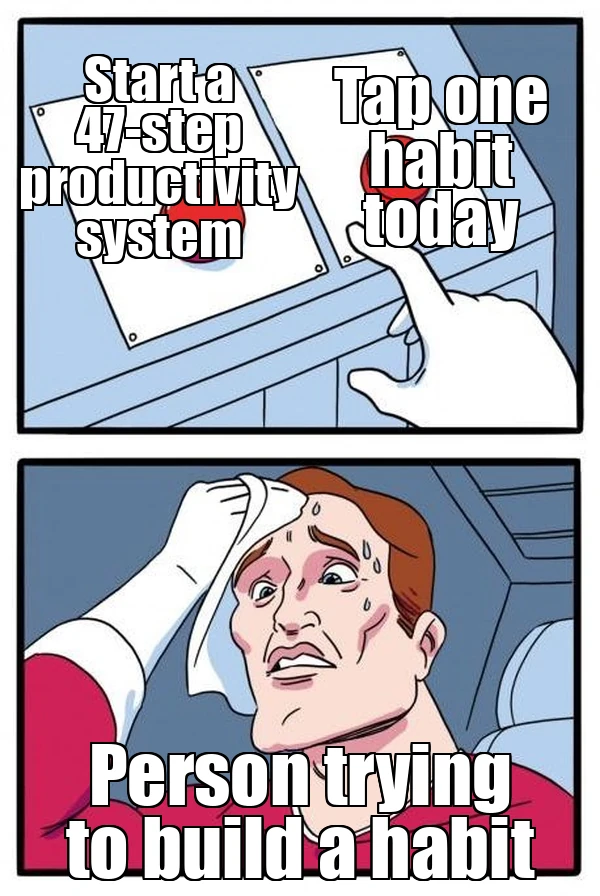
Try the smallest possible system first
Pick one habit, define it in a way that can be answered yes or no, and record it for two weeks. “Exercise more” is a plan-shaped cloud. “Walk outside for ten minutes” is trackable. After two weeks, review the timeline: which days held, which days broke, and what was different?
Timeli is designed around that lightweight approach: timestamp an action, keep the context, and look for the shape of a habit over time. You do not need an elaborate productivity identity. You need a record that is easy to make.