
How to Store Cut Melon: Rind Washing, Cold Storage and Serving
Wash a melon's rind before cutting, use clean equipment, and refrigerate the cut fruit promptly. Buying a good melon and handling it after cutting are separate tasks. An intact rind does not make the flesh immune to contamination when a knife passes through it.
This guide concerns household preparation of watermelon, cantaloupe and honeydew. It answers the question that starts after choosing the fruit: how to prepare a portion and keep the remainder cold.
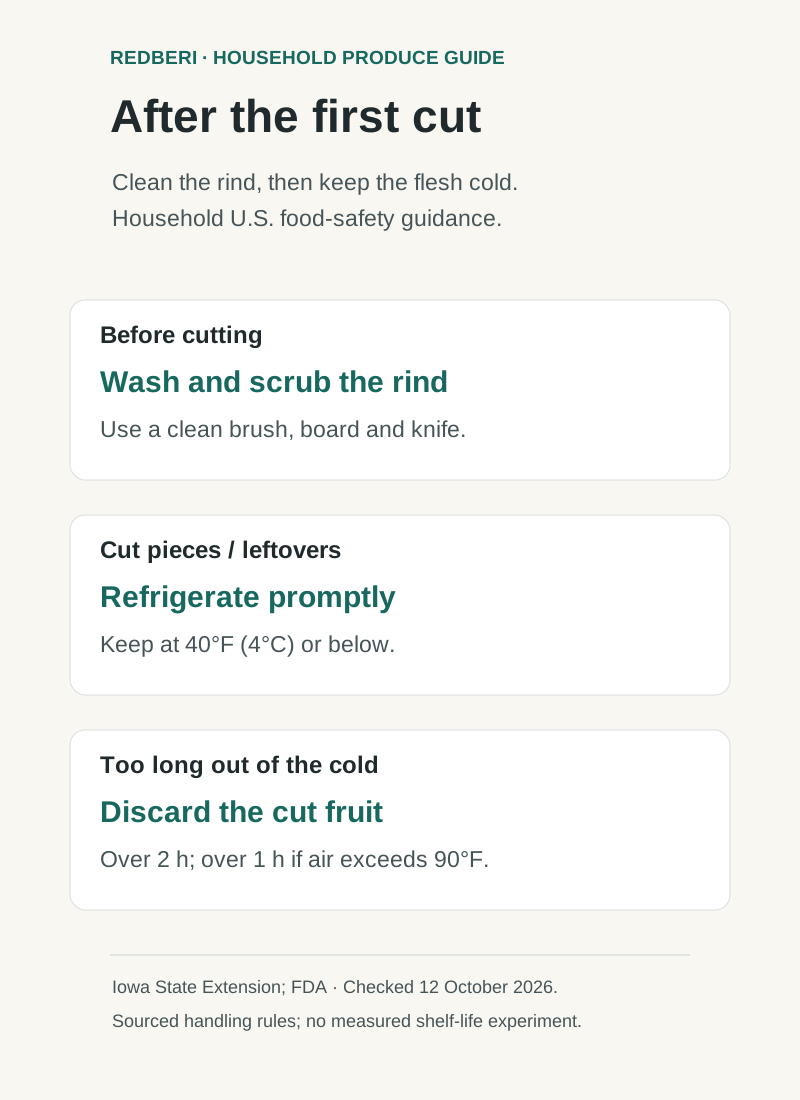
The rind needs washing even when you will discard it
The knife can carry material from the rind to the flesh. Iowa State University Extension recommends washing the exterior with cool water and a vegetable brush, as well as starting with clean hands. The FDA recommends a clean brush for firm produce such as melons. Read Iowa State's melon preparation advice and the FDA's cleaning guidance.
Set out the clean board, knife and storage container before cutting. This makes it easier to put the extra portion away while you prepare the serving you need. Keep produce equipment separate from equipment used for raw meat.
Cut fruit belongs in the refrigerator
Put extra melon into a covered food-safe container and refrigerate it promptly. Iowa State's guidance recommends refrigerator storage at 40°F or below. Plan to use the fruit soon and follow the package's storage instructions. Refrigeration does not make a damaged or poorly handled melon safe.
For pre-cut melon, choose a package held cold at the store and keep it refrigerated at home. The FDA recommends buying pre-cut produce refrigerated or on ice and refrigerating it after purchase. See the FDA's produce-shopping guidance.
At a picnic, plan for time and temperature
Keep the refrigerator at 40°F (4°C) or below. FDA household guidance limits the time foods requiring refrigeration spend at room temperature to two hours, or one hour when the air is above 90°F (32°C). Cut melon is a perishable food: refrigerate it promptly and discard it if those limits have been exceeded. Do not use taste or smell to certify safety. Read the FDA's food-storage rules.
Imagine serving melon outside on a hot afternoon. Bring out a small portion and keep the rest chilled until needed. Track how long the serving has been out; moving it back into the fridge does not undo its earlier warm exposure. The limits are a reason to organise serving, rather than a target for leaving fruit out as long as possible.
A date label helps with the next meal
Write the preparation date on the container so another person can understand when it was cut. This is a simple household workflow suggestion, not a substitute for temperature control or the package's instructions.
Redberi separates produce selection and storage information. That structure helps with meal planning, but a general fruit-stage estimate cannot assess contamination or replace food-safety guidance for cut produce. Use the public rules above for this preparation step.
For the earlier shopping decision, read how to choose watermelon or how to choose cantaloupe.
Sources checked 12 October 2026. Household U.S. guidance; food businesses should follow their applicable food code. No storage experiment was performed.