
When to Wash Strawberries: Before Eating or Before Storage?
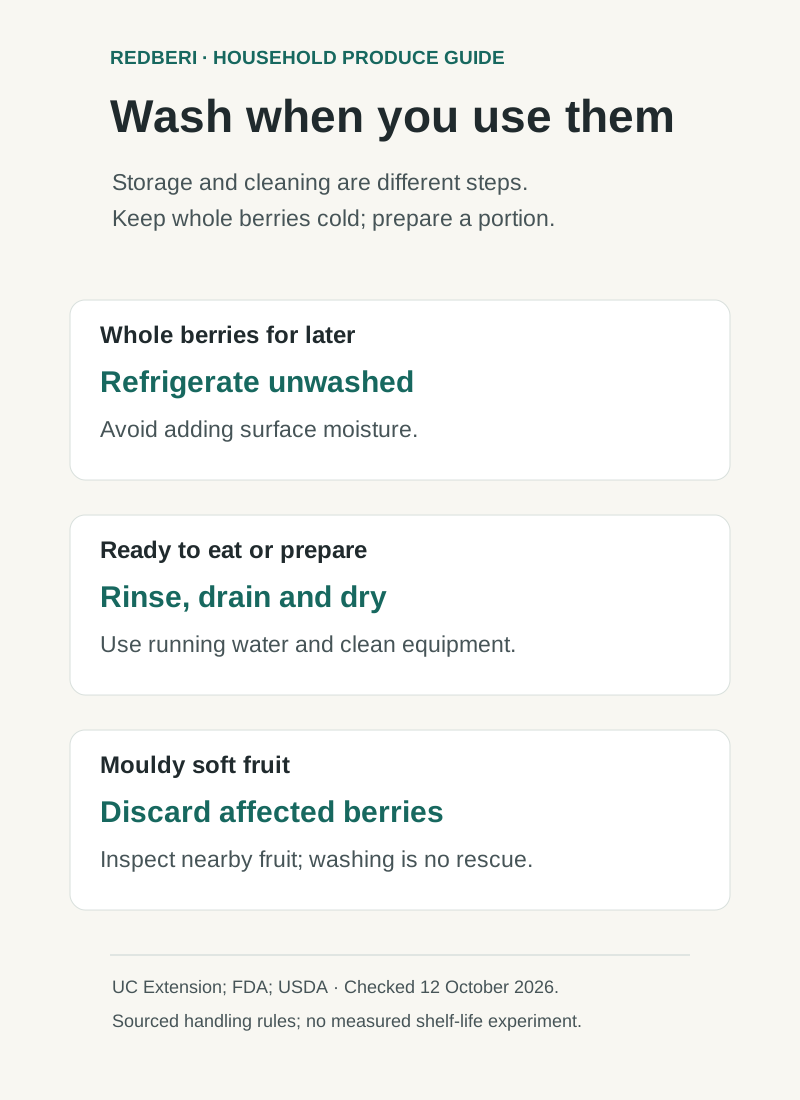
For whole strawberries you plan to keep, refrigerate them unwashed and wash the portion you are about to eat or prepare. Washing adds surface moisture, so the timing matters. Keeping berries unwashed during storage is a quality practice; it does not replace cleaning them before eating.
Start with a meal plan rather than washing the entire box automatically. If you need six berries for breakfast, prepare six. Leave the rest for their own preparation step. This is an example of how to apply the guidance, not a measured claim about days saved.
Before storage: keep extra moisture out
University of California Cooperative Extension's strawberry guidance recommends refrigerator storage and delaying washing until eating or preserving. The starting ripeness and condition affect how long the berries keep. A published maximum under good conditions is not a countdown that makes every box usable until its final day. Read the UC strawberry guide.
Check the fruit before putting it away. A plan to eat berries later should include a second look when that meal arrives. Avoid making an entire week's menu depend on a package remaining unchanged.
Before eating: rinse, drain and dry
Use cool running water, drain the berries and pat them dry with a clean towel. UC's guide advises against leaving strawberries in a sinkful of standing water. The FDA also recommends running water for produce and advises against soap or produce washes. See the FDA's cleaning advice.
Wash your hands before preparing food. Use clean utensils and keep berries separate from raw meat and its preparation equipment. Store strawberries in a refrigerator at 40°F (4°C) or below, checking with a thermometer. The FDA's produce-handling guide covers these precautions.
If you have already washed the whole box
Drain and dry the fruit, then return it to the refrigerator. Plan to use it promptly rather than assigning it a new shelf life because it was washed. Cleaning is a preparation step; it does not reverse damage or ageing.
For a practical example, a washed portion might go into today's breakfast, while the remaining sound fruit becomes the next item you plan to use. The choice depends on its condition and your meal, not on an assumed number of extra days.
Mould changes the decision
Discard mouldy strawberries. Cutting off a visible patch is not the recommended treatment for soft fruit, where contamination can extend below the surface. Inspect nearby fruit too. Washing should not be used to rescue mouldy berries. USDA explains mould on soft foods.
Keep the storage question separate from ripening
Redberi's strawberry record has a refrigerator storage stage, and its produce details organise selection and storage advice. Use that distinction when deciding which groceries need attention first. Generic storage ranges cannot certify a particular box as safe or fresh.
Strawberries also differ from fruit bought to soften at home. Our counter-ripening guide explains why waiting is not a reliable way to improve an underripe strawberry.
Sources checked 12 October 2026. This article summarises household guidance; it reports no washing or shelf-life experiment.