
Why Potatoes Turn Green: Light, Solanine and Storage
Light can make a potato turn green. The colour is chlorophyll, but greening can accompany increased solanine, a toxic compound. Treat it as a reason to inspect and change your storage, rather than as an appealing sign of freshness.
This guide concerns ordinary potato tubers, such as russets and red potatoes. It does not apply the same rules to sweet potatoes or yams. A visual check cannot measure the amount of solanine in a tuber.
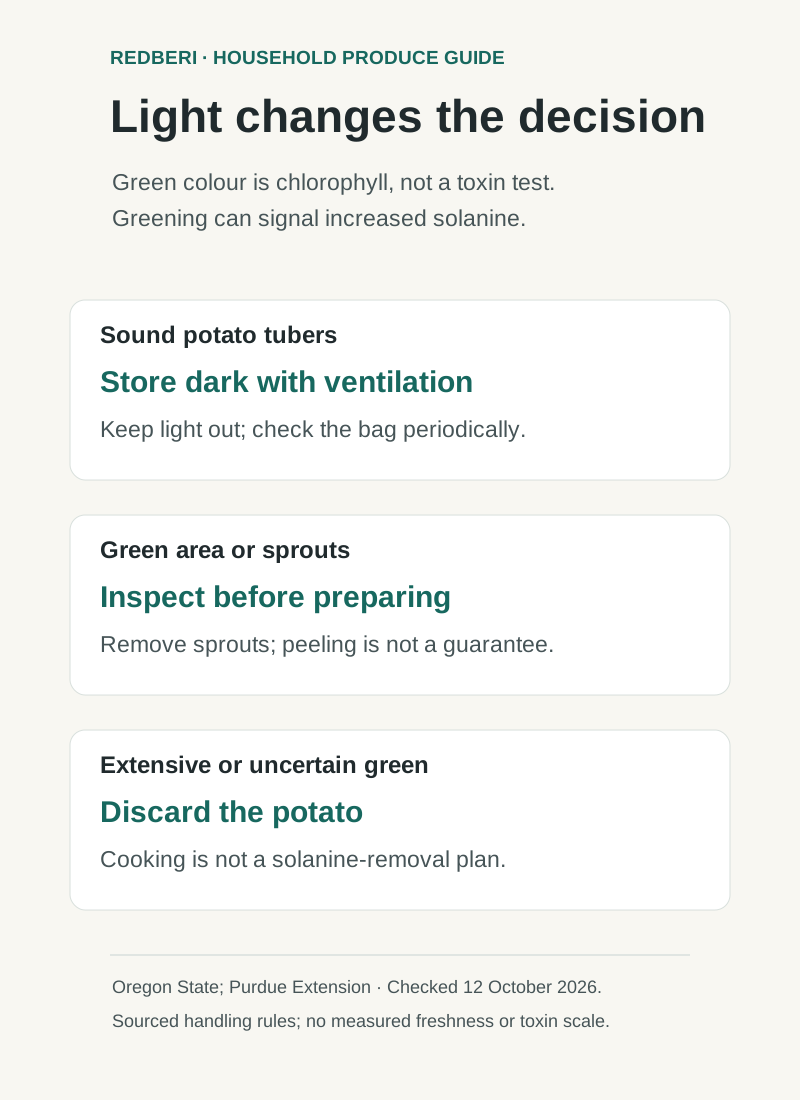
Green colour and solanine are different things
Oregon State University Extension explains that light exposure causes greening. Chlorophyll itself is harmless, while the green appearance often signals solanine. The visible colour therefore serves as a warning cue; it cannot tell you the toxin concentration. Read Oregon State's potato storage guidance.
A photograph of another potato would not certify yours. This is why the chart gives handling decisions rather than claiming that a particular shade or percentage of green is safe.
Small areas and extensive greening need different decisions
Purdue Extension notes that much of the solanine is concentrated in the skin, and peeling away the green portion should remove most of it. It also advises removing sprouting eyes or buds before eating. That wording does not guarantee complete removal from every affected potato. See Purdue's potato guide.
Oregon State recommends discarding potatoes with excessive greening. If the affected area is extensive, remains concerning after peeling, or you cannot confidently assess it, discard the potato. This guide gives no numerical trimming depth or colour threshold because the linked household guidance does not establish one.
Cooking is not the solution to greening
Purdue explicitly warns against relying on cooking to destroy solanine. Boiling, roasting or turning the potato into soup should not replace the inspection and discard decision. Do not taste a suspect potato to decide whether it is suitable.
Prevent the next storage problem
Keep sound potatoes in a dark, ventilated storage space. Oregon State advises minimising light during handling and using well-ventilated containers. Choose a location where you can still check the contents periodically; putting the bag out of sight should not mean forgetting its condition.
Imagine buying potatoes for two meals. Inspect the bag when you put it away, keep it out of light, and inspect it again before preparing the second meal. That is a practical routine, not a claim that darkness guarantees a fixed storage life.
Use the right produce profile
Redberi's potato record includes dark-storage advice and a warning about green skin and sprouts. Those features can help you identify the relevant handling question before choosing a recipe. General storage ranges cannot certify an individual potato as safe.
If the grocery label is confusing, our sweet-potatoes-versus-yams guide explains the separate crops. For fruit that needs a different storage decision after ripening, see when bananas can go into the refrigerator.
Sources checked 12 October 2026. No toxin measurements or cooking experiment were performed.