
Can You Refrigerate Tomatoes? Whole, Ripe and Cut Fruit Differ
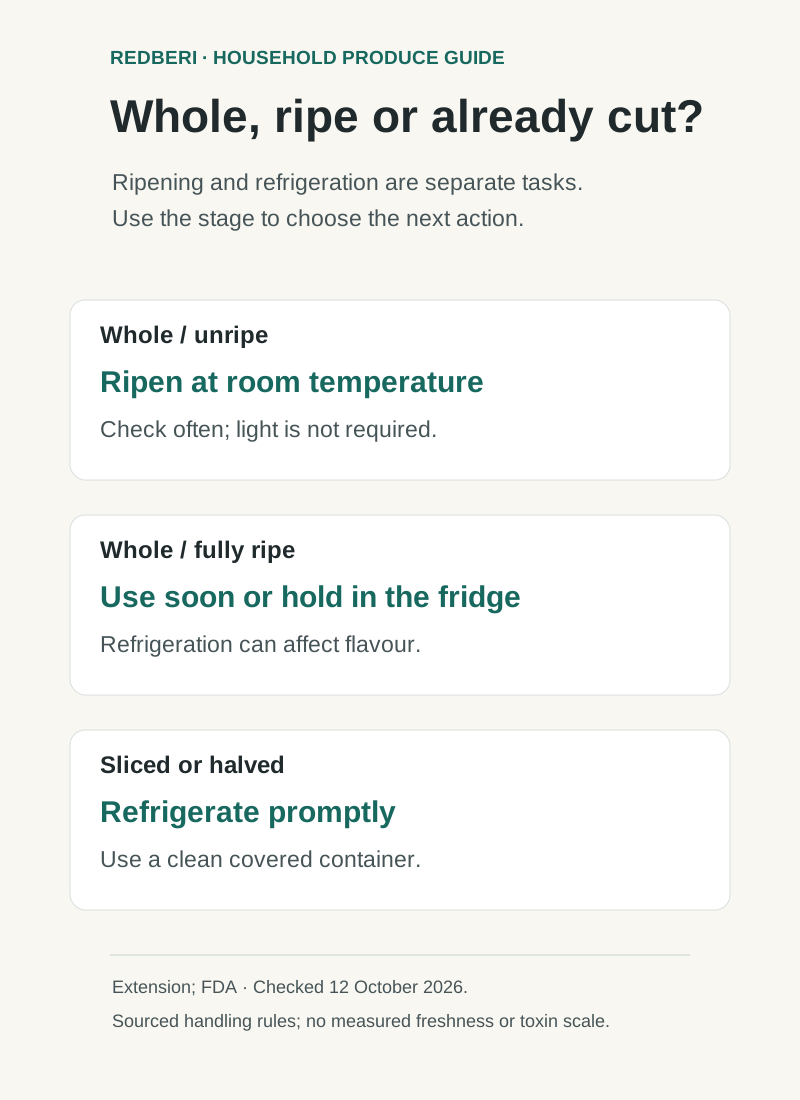
Let an unripe whole tomato ripen at room temperature. Once it is fully ripe, refrigeration can be a holding option, with a possible flavour trade-off. After cutting, refrigerate it. A single “never put tomatoes in the fridge” rule misses the difference between ripening whole fruit and storing a prepared food.
Start with the tomato's condition and your next meal. Fruit for tonight's salad, fruit that still needs to ripen and half a tomato left after lunch belong in different groups.
Whole and not ripe: allow room-temperature ripening
University of Minnesota Extension recommends storing unripe tomatoes in a single layer at room temperature, separated from one another. Light is not required for ripening. Check the fruit regularly rather than assuming a sunny windowsill or a set number of days will produce the result you want. Read Minnesota Extension's harvest and storage guidance.
Maturity at harvest still matters. The same guide distinguishes fully developed mature-green fruit from tomatoes picked so immature that good flavour is unlikely. “Green” can describe different starting points; counter time does not repair every poor harvest decision.
Fully ripe: decide how soon you will use it
A ripe whole tomato can go into the refrigerator when you need to hold it. An Ask Extension storage response describes refrigeration of fully ripe tomatoes while noting a loss of colour and flavour. Minnesota's household produce guide also includes room-temperature storage away from direct sunlight and refrigerator storage options. See the Extension storage response and Minnesota's tomato guide.
Those sources do not establish that refrigeration changes every cultivar by the same amount, or that a particular tomato will last a certain number of days in your kitchen. We have not run a taste comparison. Choose according to its condition, the meal you have planned and whether you need a holding option.
For example, if two sound tomatoes are already ripe, one might become today's salad while the other is refrigerated for a later meal. That is a planning example, not a promise that the second tomato will retain the same texture or flavour.
Cut tomatoes: use the refrigerator
Once you slice or halve a tomato, refrigerate the remainder promptly in a clean covered container. The FDA recommends refrigerating produce purchased pre-cut and keeping foods that need refrigeration at 40°F (4°C) or below. Its room-temperature limit is two hours, reduced to one hour above 90°F (32°C). These are handling limits rather than a freshness guarantee. FDA produce guidance and food-storage guidance explain the precautions.
Use a stage, not an absolute slogan
Redberi organises produce details around selection and storage stages, which helps connect a purchase to the next kitchen action. Its general whole-tomato advice should not be treated as a rule for cut fruit. The distinctions above come from the linked Extension and FDA guidance.
For the broader ripening pattern, read which fruits ripen on the counter. Our cut-melon guide applies the preparation and cold-storage distinction to another common leftover.
Sources checked 12 October 2026. Household guidance; starting maturity, variety and previous handling affect quality.